Exotic & Small Animal Care
Experienced veterinary care for rabbits, guinea pigs, hamsters, rats, bearded dragons, leopard geckos, snakes, turtles, and tortoises in Overland Park and the greater Kansas City area.
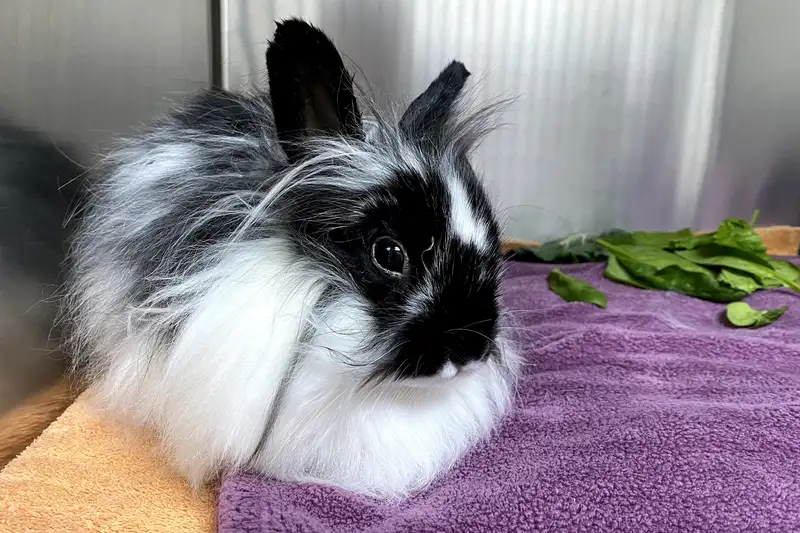
Why does your exotic pet need a specialized vet?
Exotic pets, including small mammals, reptiles, and other non-traditional companion animals, have unique health requirements that differ significantly from dogs and cats. They need a veterinarian who understands their species-specific physiology, common diseases, nutritional needs, and environmental requirements. Not every vet clinic offers this, and not every clinic that says they see exotics has deep experience with them.
Dr. Pippin has a particular clinical interest in exotic animal medicine and has pursued continuing education specifically in this area. He sees a wide variety of species regularly at our Overland Park clinic. Whether you have a bearded dragon, a rabbit, a guinea pig, or a leopard gecko, we're equipped and experienced to provide the care they need, from routine wellness exams to diagnostics, surgery, and emergency treatment.
Exotic pet services.
Wellness Exams
Annual (or more frequent) physical exams tailored to your pet's species. We assess body condition, skin and scales, eyes, teeth (especially in rabbits and rodents), respiratory health, and overall condition. We'll also review diet, habitat setup, and husbandry practices to make sure everything is optimized for your pet's health.
Husbandry & Habitat Guidance
Many exotic pet health problems are caused by improper husbandry: wrong temperatures, inadequate UV lighting, incorrect substrate, or a diet that's missing key nutrients. We provide evidence-based guidance on habitat setup, temperature gradients, lighting schedules, humidity, substrate choices, and species-appropriate enrichment. Getting the environment right prevents most problems before they start.
Medical Care
We diagnose and treat a broad range of conditions in exotic species: respiratory infections, gastrointestinal issues (stasis, bloat, and parasites), metabolic bone disease, dental malocclusion, skin conditions, abscesses, eye problems, and reproductive disorders. Exotic pets often mask illness until it's advanced, so if you've noticed any changes in behavior, appetite, or energy level, it's worth having them seen promptly.
Surgery
We perform surgical procedures on exotic patients when needed, including spays, neuters, mass removals, abscess surgery, and wound repairs. Anesthetic protocols for exotic species require specialized knowledge and careful monitoring, and we have the experience to manage these cases safely.
Diagnostics
Our in-house diagnostic equipment, including digital X-rays and microscopy, works for exotic patients, too. Radiographs are especially useful for evaluating reptile bone health, detecting egg binding, and identifying foreign bodies, while the microscope is put to use evaluating fecal samples for parasites and impression samples for ectoparasites or other issues.
Nutrition Counseling
Diet is one of the most critical factors in exotic pet health, and it varies enormously by species. A rabbit's nutritional needs are nothing like a bearded dragon's, and even small deviations from the right diet can cause serious health issues over time. We provide specific dietary recommendations based on your pet's species, age, and health status.
Which exotic pets do we see?
We regularly treat a wide variety of small mammals and reptiles, including rabbits, guinea pigs, hamsters, rats, bearded dragons, leopard geckos, snakes, turtles, and tortoises. If your pet isn't on this list, give us a call. We may still be able to help, or we can point you toward the right resource.
We do not currently see birds, large reptiles (monitors, iguanas over 4 feet, or large constrictors), or venomous species. For these pets, we recommend contacting a board-certified avian or reptile specialist.

What health issues are common in exotic pets?
Small mammals like rabbits and guinea pigs are some of our most frequent exotic patients. Rabbits are prone to dental malocclusion, GI stasis, and respiratory infections: conditions that can become life-threatening quickly if they're not recognized. Guinea pigs can't manufacture their own vitamin C, which means deficiency-related illness is common when their diet isn't right. We see these issues regularly and know what to look for.
Reptiles present their own set of challenges. Bearded dragons are susceptible to metabolic bone disease from inadequate UVB lighting or calcium supplementation, and it's one of the most common problems we treat. Leopard geckos, snakes, turtles, and tortoises each have species-specific needs around temperature, humidity, substrate, and diet that directly affect their health. A lot of reptile illness traces back to husbandry, and we spend time working through those details with you.
If you've just brought home an exotic pet, or if you've had one for years but never established veterinary care, a wellness exam is the best place to start. We'll go over everything from diet and habitat to common health risks for your specific species, and set up a schedule for follow-up care. Finding a vet who's comfortable with exotics in Johnson County can be difficult, and we're glad to fill that role for families in Overland Park, Leawood, Olathe, Lenexa, Shawnee, and the surrounding area.
Medically reviewed by Dr. Kris Pippin, DVM and Dr. Jill Baird, DVM · April 2026
Questions about your exotic pet?
We're here to help. Contact us to schedule a visit or to discuss your pet's needs.